


The Pacific Islands, a vast expanse of ocean dotted with diverse cultures and communities, face unique challenges that require tailored solutions. Throughout the years, various initiatives have aimed at addressing these challenges through pacific aid projects south pacific development projects. These efforts can lead to significant advancements in education, healthcare, infrastructure, and environmental sustainability, empowering local populations and fostering resilience in the face of climate change.

The Role of Aid in Pacific Development
Over the decades, the role of international aid has been pivotal in providing the financial backing needed for development projects within the Pacific Islands. With many countries facing limitations in resources and infrastructure, aid has served as a critical lifeline. From addressing immediate needs, such as healthcare and education, to building long-term resilience against economic shocks and climate risks, aid projects are transforming the socio-economic landscape of the region.
Key Areas of Focus
Pacific aid projects cover various critical areas. Some of the most impactful focus areas include:
- Healthcare: Addressing health disparities is vital. Projects aimed at improving access to healthcare facilities, enhancing maternal and child health, and combating communicable diseases have been at the forefront of aid initiatives.
- Education: Education is a powerful tool for development. Programs that enhance educational access, quality, and relevance equip communities with skills for a better future. Investments in teacher training and educational resources are crucial in this regard.
- Infrastructure Development: Many Pacific Islands require substantial improvements in infrastructure, including roads, water supply, and sanitation. Aid has facilitated the construction and upgrading of critical infrastructure needed to support economic growth.
- Climate Change Adaptation: With the threat of climate change looming large, aid projects focused on resilience-building have become essential. These include initiatives promoting sustainable agricultural practices, disaster risk reduction, and the preservation of natural resources.
Notable Pacific Aid Projects
Several projects have garnered attention for their innovative approaches and significant impacts across the Pacific region. Here are a few notable examples:
1. Vanuatu’s Climate Resilience Program
The Climate Resilience Program in Vanuatu harnesses international assistance to enhance the nation’s ability to withstand climate-related risks. By investing in sustainable agriculture, early warning systems, and infrastructure upgrades, the program aims to shield communities from the adverse effects of climate change.
2. The Papua New Guinea National Education Plan
This ambitious plan seeks to address the educational needs of one of the largest Pacific Island nations. With funding from various international partners, the plan encompasses curriculum development, teacher training, and improving school facilities to ensure an inclusive and equitable education system.
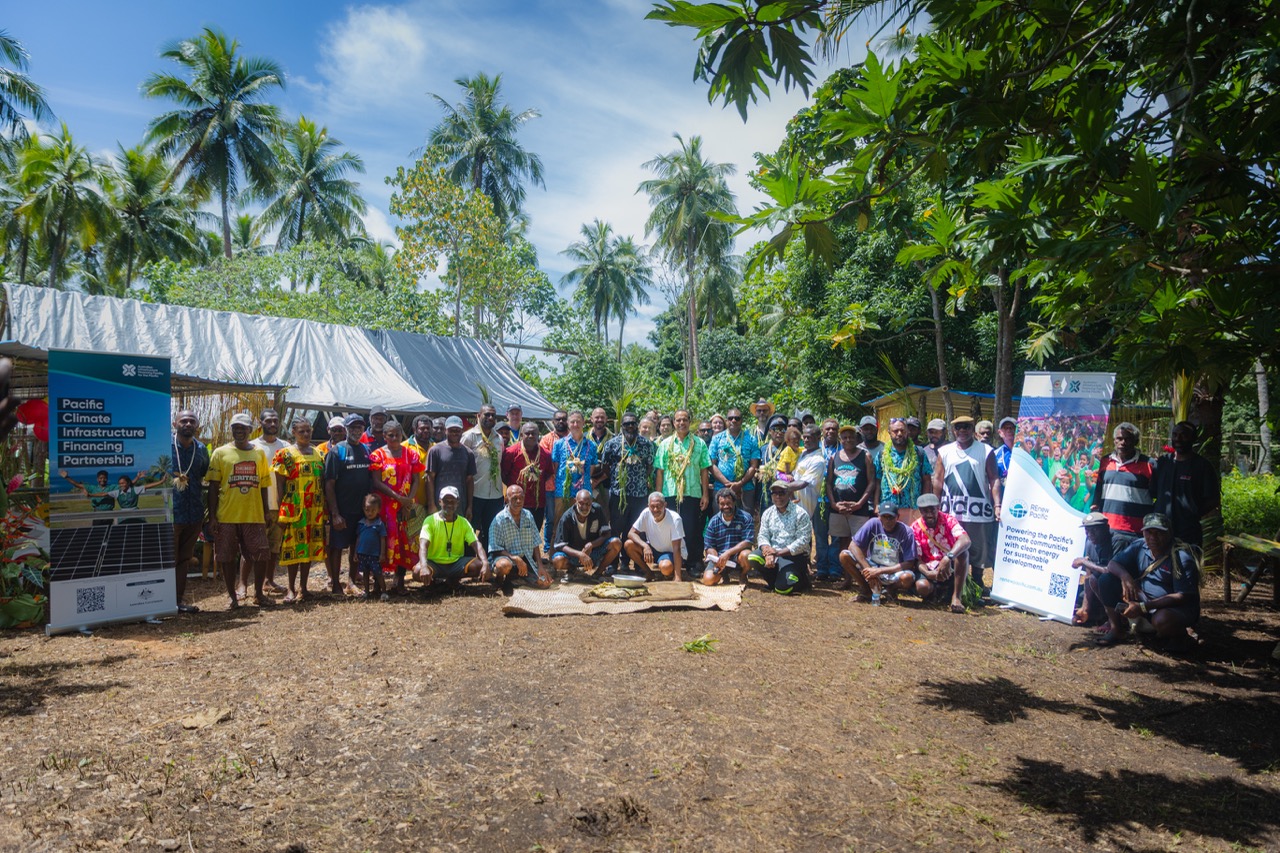
3. Fiji’s Health Sector Support Program
Fiji’s Health Sector Support Program focuses on improving healthcare access, particularly in rural areas. The project is designed to bolster health systems through infrastructure improvements, enhancing medical training, and providing essential health services to underserved populations.
4. Solomon Islands Rural Development Program
This initiative engages communities in sustainable economic development. By focusing on agriculture, fisheries, and eco-tourism, the program empowers local populations, providing them with opportunities to develop their livelihoods while preserving natural resources.
The Importance of Partnerships
The success of Pacific aid projects often hinges on effective partnerships among governments, NGOs, and international organizations. Collaboration fosters a shared vision and leverages resources more effectively. Local involvement ensures that projects address the needs and aspirations of communities, leading to greater sustainability and ownership of initiatives.
Challenges Faced by Aid Initiatives
Despite the significant progress made through aid projects, challenges persist. Limited infrastructure, bureaucratic hurdles, and a lack of local capacity can hamper implementation efforts. Additionally, fluctuating political conditions can impact the stability and continuity of projects. Ongoing dialogue and adaptive management strategies are critical to overcoming these challenges.
Future Directions for Development Projects
Looking ahead, Pacific aid projects must adapt to changing conditions and emerging challenges. With the increasing frequency of climate events, integrating climate resilience into all facets of development is essential. Furthermore, focusing on technology and innovation can help bridge gaps in education and healthcare, providing more efficient and effective solutions.
Conclusion
The Pacific region is a tapestry of diverse cultures facing a unique set of challenges and opportunities. Aid projects play a vital role in fostering development and empowering local communities. As we look to the future, continued investment in education, healthcare, infrastructure, and climate resilience will be essential to securing a prosperous and sustainable future for the Pacific Islands and their people.