


Exploring Chicken Road Testing Support Before Gameplay
In the dynamic world of online gaming, ensuring a seamless experience is paramount for both developers and players. The Chicken Road Testing Support Before Playing Chicken Road game casino stands out as an engaging option for players seeking fun and excitement. However, before diving into this colorful adventure, it’s essential to understand the importance of testing support within the game itself. This article will delve into various aspects of the testing process and how it significantly enhances the player experience.
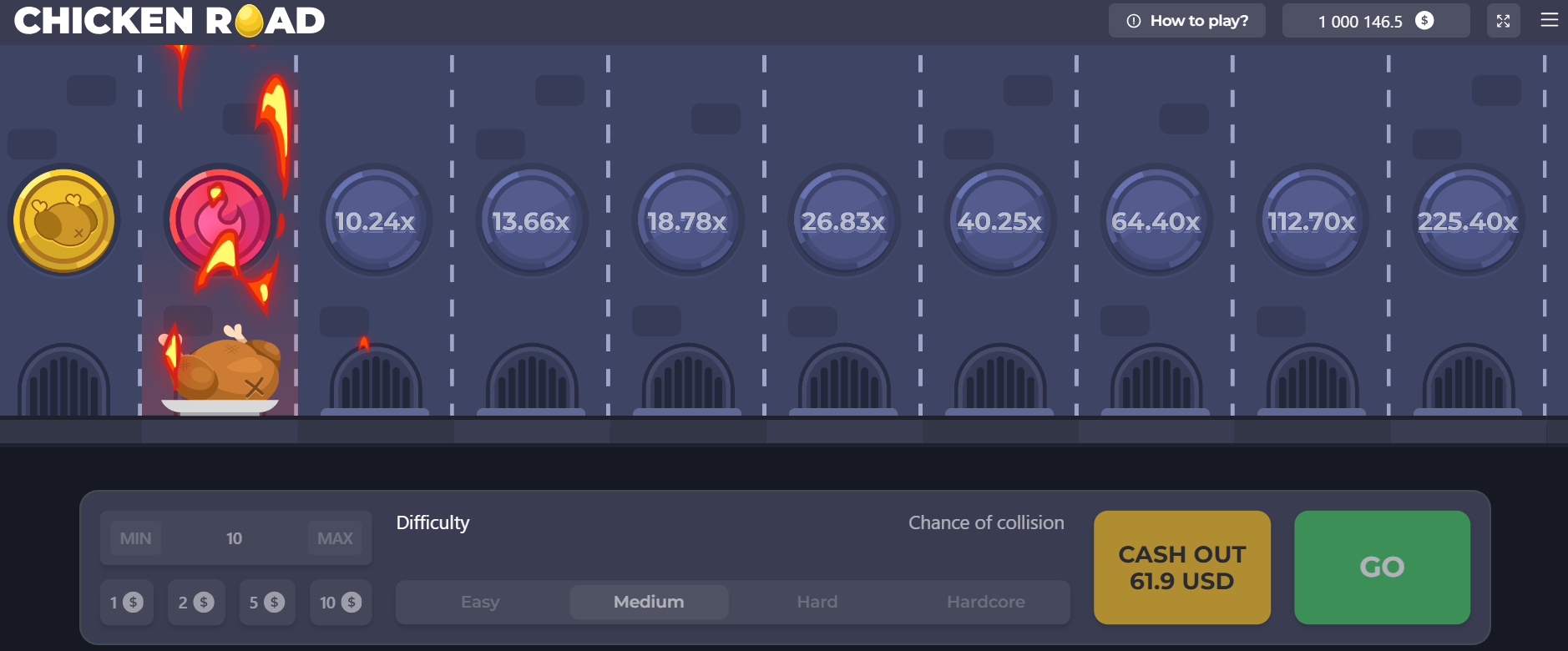
The Importance of Road Testing in Gaming
Testing is a crucial phase in game development that helps identify bugs, ensures functionality, and optimizes player engagement. For any online game, including Chicken Road, road testing is conducted to guarantee that all aspects of the gameplay work harmoniously. This phase involves thorough examination of the game mechanics, user interface, and overall performance, which are essential for maintaining player satisfaction.
1. Ensuring Functionality
Functionality testing is fundamental in the gaming industry. It involves checking if all features of the game operate as intended. In Chicken Road, players expect smooth navigation, responsive controls, and consistent scoring mechanisms. Road testing helps developers identify any glitches that can disrupt the player’s experience, such as issues with character movement, bonus features, or game payouts. By resolving such issues before launch, developers ensure that players can focus solely on enjoying the game.
2. User Interface and Experience (UI/UX) Testing
The user interface and experience are vital elements that dictate how players interact with the game. A well-designed UI allows players to navigate the game effortlessly. Road testing includes rigorous assessment of all UI components, such as buttons, menus, and graphics, to en
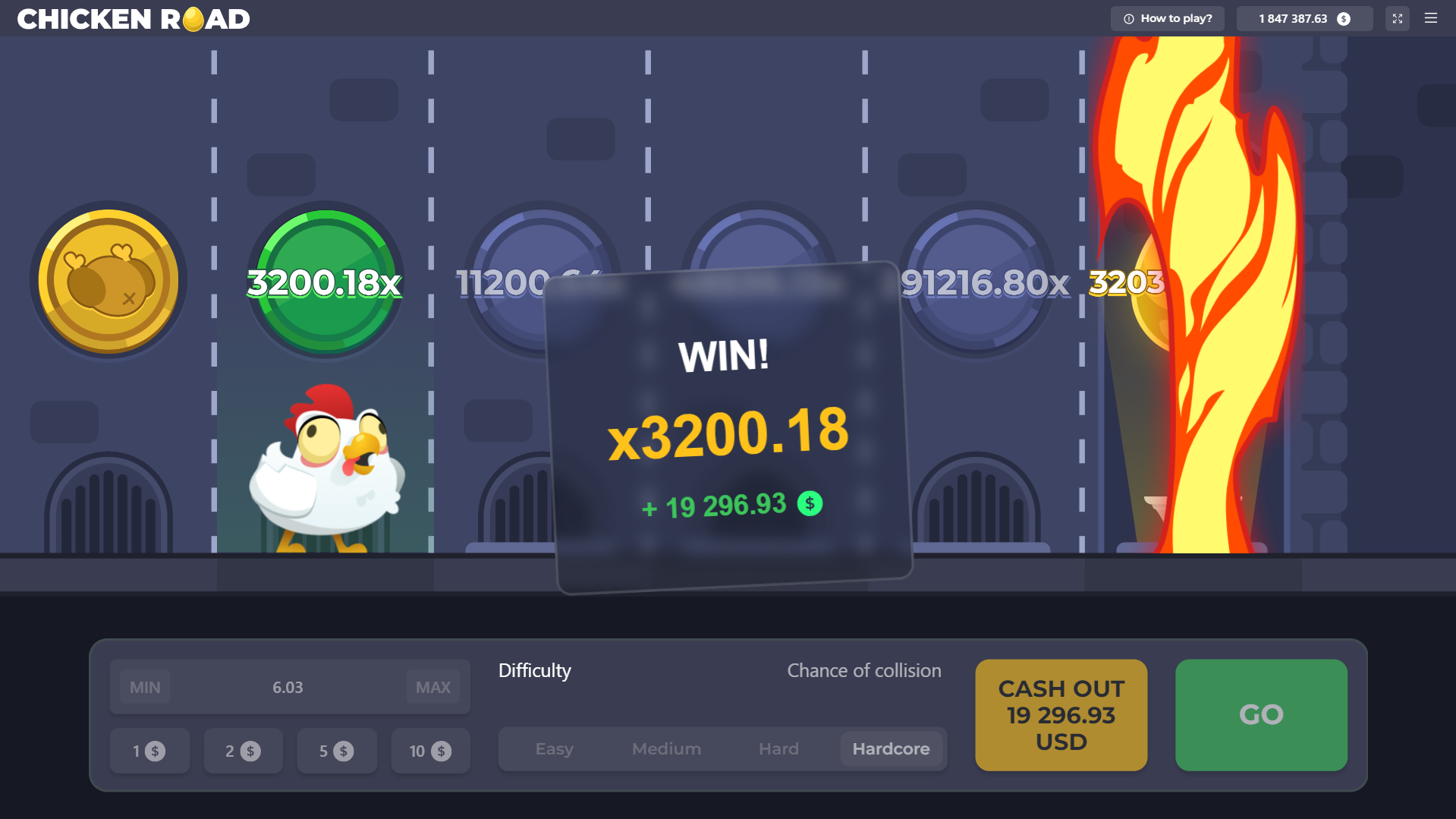
sure they are intuitive and visually appealing. Feedback from testers can lead to enhancements in layout, colors, and fonts, which ultimately creates a better overall gaming experience.
3. Performance Testing
Performance testing is another critical aspect of road testing. This involves evaluating how the game performs under various conditions, such as different devices, screen sizes, and network speeds. Chicken Road must be optimized to run smoothly on a variety of platforms, ensuring that players can enjoy the game without lag or crashes. Performance issues can lead to frustration, which can significantly impact a game’s reputation and player retention rates.
4. Compatibility Testing
As players use a diverse range of devices, compatibility testing ensures that Chicken Road functions correctly across different operating systems and hardware configurations. The goal is to provide a consistent gaming experience for all users, regardless of whether they’re playing on a mobile device, tablet, or desktop. This testing phase helps identify any discrepancies that could affect gameplay and helps developers rework the game for broader accessibility.
5. Security Testing
In the realm of online gaming, security is of utmost importance. Players need to trust that their data is protected and that the game is fair. Road testing includes security evaluations to detect vulnerabilities that could be exploited by malicious users. Implementing strict security measures not only protects the gaming platform but also builds trust among players, encouraging them to engage with the game more confidently.
6. Usability Testing
Usability testing focuses on how easily players can understand and enjoy the game. Conducting tests with real players allows developers to gather valuable insights into user behavior and preferences. Usability tests help identify areas where players might struggle, allowing teams to make necessary adjustments to enhance the game’s functionality and enjoyment. Engaging with potential players during this phase can lead to insights that can drastically improve the game’s appeal.
7. Collecting Feedback and Iteration
Feedback from testers is invaluable. It provides developers with genuine insight into how real users experience the game. After conducting road tests, developers can prioritize changes and improvements based on user input. Iterative testing, which involves repeated cycles of testing, feedback collection, and revisions, allows developers to fine-tune the game until it meets or exceeds player expectations.
Conclusion
The importance of thorough testing before the launch of any online game cannot be overstated. For games like Chicken Road, road testing support is crucial to ensuring a smooth, enjoyable gaming experience for players. By focusing on functionality, user experience, performance, compatibility, security, usability, and feedback, developers can significantly enhance the overall quality of the game. This meticulous approach not only benefits the players but also leads to a more successful game launch, encouraging longevity and engagement in the competitive online gaming market.